Select Committees

Where published evidence gets tested in public
Parliamentary select committees are one of the few places where the assumptions behind disability statistics are examined in front of a public record. They do not publish figures themselves, and they do not set methodology. What they do is call the bodies that do — the Office for National Statistics, the Department for Work and Pensions, the UK Statistics Authority — and put their choices on the record.
Each House of Commons select committee shadows a government department. The Work and Pensions Committee is the principal forum for scrutiny of disability-related data: it has examined the employment gap, the adequacy of the Labour Force Survey as a measurement instrument, and the design of benefits assessments at various points over the past two decades. The Women and Equalities Committee has periodically examined disability as a strand of equality data. The Public Administration and Constitutional Affairs Committee scrutinises the statistics framework itself, including what it means for a figure to be designated a National Statistic.
Evidence sessions proceed on the written submissions that precede them. Statisticians, researchers, policy officials and sometimes representatives of academic or third-sector organisations submit written evidence; the committee then calls witnesses to oral session. The transcript, along with written submissions, is published on the Parliament website and becomes a permanent part of the public record. Reports carry formal recommendations; the government is required to respond, usually within sixty days. Neither the recommendations nor the response changes a published figure, but together they can prompt a methodological review or an amendment to how a release is caveated.
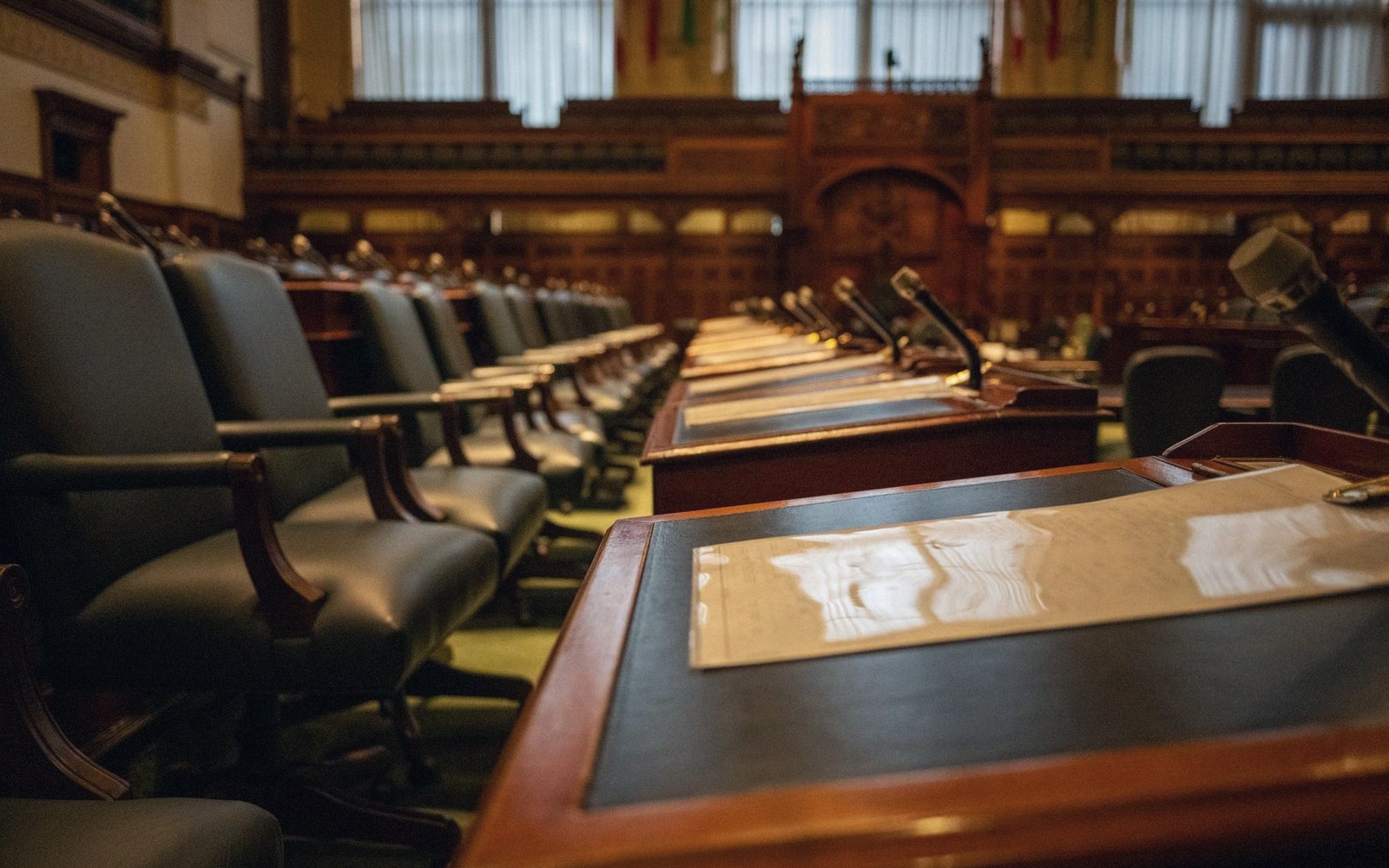
Photo: Héctor Berganza / Pexels
The value of this process for anyone reading disability statistics is indirect but real. Committee reports often contain the most direct statements of limitation that official bodies have put into language accessible to a non-specialist — a statistician explaining under questioning why a question change broke a time series, or an official acknowledging that two published counts are not comparable, says something in a committee transcript that may be absent from the technical notes of the release itself. Reading a bulletin for its caveats is one approach; reading the oral evidence from the committee that interrogated the bulletin's authors is another.
Lords committees follow the same procedural model. The Lords Economic Affairs Committee and various Lords ad hoc committees have examined aspects of welfare and disability data. Their reports carry less formal authority over the executive but the same scrutiny function applies.
The Scottish Parliament, Senedd Cymru and the Northern Ireland Assembly each have equivalent committee structures with jurisdiction over devolved statistics. Where disability figures are published separately by devolved administrations, the relevant committee is the scrutiny body, not Westminster.

Photo: Christina & Peter / Pexels